Signs of depression in teenagers are not always obvious. Among teens treated for depression in Florida, the most common early signs seen at Adolescent Wellness Academy are irritability, anger, school avoidance, falling grades, social withdrawal, and disconnection from family, not sadness.
These behavioral changes are often dismissed as normal adolescent behavior, but when they persist for more than two weeks and begin affecting daily life, they may indicate teen depression that warrants professional attention.
This page covers what those signs look like across school, home, and relationships, and when to seek help.
Depression Does Not Always Look Like Sadness
Parents often expect depression to look obvious, but like most things about their teen, it takes a more careful eye to see.
They picture a teen crying often, staying in bed all day, or openly saying they feel depressed.
Sometimes that happens, but more often depression shows up in ways that look like defiance, attitude, or withdrawal.
Common early signs include:
- Increased irritability
- Frequent anger or emotional outbursts
- Pulling away from friends or family
- Sudden drop in school performance
- Changes in sleep patterns
- Loss of interest in sports, hobbies, or social activities
- Difficulty concentrating
- Low motivation or complete shutdown
This is why parents often miss it and go straight to behavioral problems. Learning how depression presents helps families know when to look deeper. It’s important to break down how symptoms show up across school, home, and relationships.
Behavioral Changes Parents Often Normalize
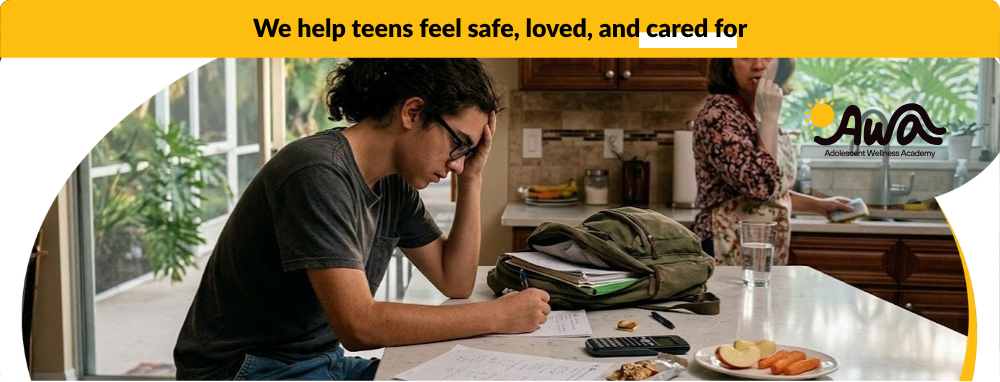
Parents often explain away symptoms because adolescence already comes with its own set of changes; it’s just puberty, they’ll say.
That’s perfectly understandable. The teen years are emotional, social, and stressful, and not only for your child. Consistency and severity matter most.
Watch for patterns such as
- Your teen stops caring about school after being responsible
- Friendships disappear without explanation
- They stay in their room most of the day
- Hygiene and self-care start slipping
- They react with extreme frustration over small things
- They seem emotionally flat instead of just tired
One bad week doesn’t mean depression.
Several weeks of these behaviors, especially when they affect school, relationships, or safety, deserve attention.
The Centers for Disease Control suggest watching for that persistent sadness, hopelessness, and behavioral changes, which are common warning signs.
Academic Decline Is Often One of the First Signs
School struggles are often the first visible warning sign of teen depression in Florida and across the country.
A teen dealing with depression may not say they feel overwhelmed, but you may see:
- Missing assignments
- Increased absences
- Trouble waking up for school
- Loss of focus during homework
- Refusing to attend classes
- Teachers reporting disengagement
This can result in parents heading straight to discipline.
But when depression is underneath, consequences alone do not solve the problem. The issue is not laziness; it’s emotional exhaustion.
This is often when families start searching for help. Understanding how to help a teenager with depression can make that first step feel less overwhelming.
Irritability Can Be a Bigger Sign Than Sadness
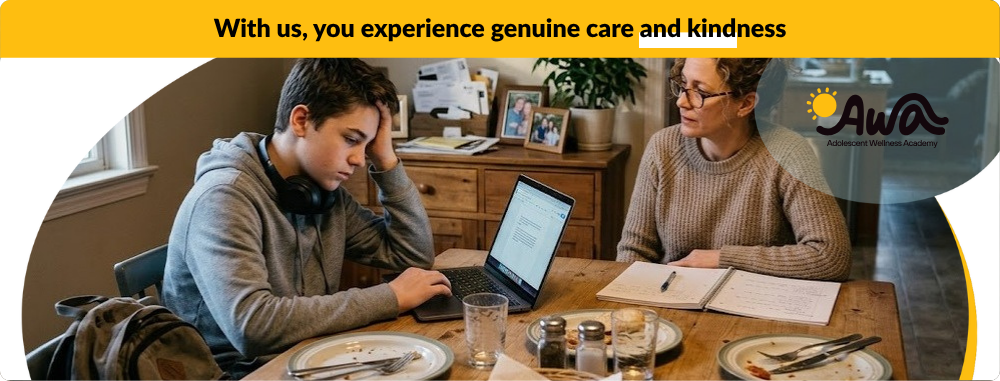
Teen depression often sounds like anger.
A teenager may become short-tempered, defensive, or constantly frustrated. Parents may feel like every conversation turns into conflict.
This happens because depression affects emotional regulation. For many parents, irritability is one of the most overlooked signs of depression in teenagers, precisely because it looks like typical teenage behavior.
Instead of saying “I feel hopeless,” a teen may show:
- Snapping over small requests
- Constant frustration with family
- Emotional shutdown after arguments
- Defensiveness around school or social topics
- Feeling “annoyed by everything.”
This does not mean they are simply being difficult.
Sometimes irritability is the emotional language of depression.
When to Seek Professional Help
If symptoms persist for more than 2 weeks and daily life is affected, it’s time to look more deeply.
You do not need to wait for a crisis.
Professional support becomes important when
- School performance continues to decline
- Isolation gets worse
- Sleep and appetite change significantly
- Anxiety and depression overlap
- Your teen talks about hopelessness
- Self-harm or suicidal thoughts are mentioned
The National Institute of Mental Health emphasizes that early intervention improves outcomes and helps prevent symptoms from becoming more severe.
We at Adolescent Wellness Academy believe in a focus on both the teen and the family. Group therapy, individual therapy, family sessions, and school support help teens reconnect while parents learn how to support recovery at home.

What Parents Should Do First
The first step is not having the perfect conversation, it’s staying present and open to communication with examples like
- Asking simple, calm questions
- Avoiding lectures during emotional moments
- Focusing on listening before fixing
- Staying consistent with routines at home
- Letting them know support is available without judgment
While avoiding saying things like
- “You have nothing to be sad about.”
- “Everyone feels like this sometimes.”
- “You just need to try harder.”
Depression responds better to safety than pressure.
Parents do not need all the answers first. They need the willingness to notice and respond, and that starts with a single conversation.
If you are ready to take that step, schedule a free consultation with our team.
Knowing What You Are Seeing Matters
Depression in teenagers often starts quietly, and by the time it becomes obvious, it has usually been building for weeks.
If your teen has been consistently showing several of these signs, that pattern is worth taking seriously. At Adolescent Wellness Academy, families across South Florida come to us at exactly this stage, not in crisis, but concerned enough to want clarity.
A free consultation with our team is not a commitment to treatment. It is a conversation that helps you understand what you are seeing and, if anything, what the next step should be.
Frequently Asked Questions
Yes. Many teens show depression through irritability, frustration, and emotional outbursts instead of sadness. Parents often mistake this for attitude problems when it may actually be a mental health concern that needs support.
If behavior changes persist for more than two weeks and begin to affect school, relationships, or daily functioning, it is worth taking seriously. Consistent patterns matter more than one difficult week.
It does show up with other symptoms. School avoidance, frequent absences, falling grades, and emotional distress around school are common signs. Depression, anxiety, and social stress often overlap and affect attendance.
No. Many teens do not know how to explain what they’re feeling. Parents usually notice the behavioral signs first, so early support is often more effective than waiting for symptoms to escalate.