Is Online Therapy as Effective as In-Person Therapy for Teens?

Is online therapy as effective as in-person therapy? For most teens, research says yes, and both formats show comparable results for anxiety and depression when a teen stays engaged.

What actually decides the outcome is not the format on paper. It is whether your teen can be honest and present through it, and whether consistent teen therapy is something your family can realistically keep up with.

In this article, our Clinical Director, Dr. Jacqueline Pablos, shares what we watch for in each format at AWA and how to tell which one your teen would actually engage with.

What the Research Actually Says

A 2024 study in the Journal of Clinical Child & Adolescent Psychology set out to answer this directly: is online therapy as effective as in-person therapy for youth anxiety? 

Using a non-inferiority design built to catch any real gap, researchers found none.

What the numbers showed

  • Telehealth and in-person CBT (Cognitive Behavioral Therapy) reduced anxiety symptoms and functional impairment by comparable amounts
  • A broader review of youth mental health data found telehealth performed comparably for depression, and somewhat better for anxiety with consistent weekly sessions
  • Outcomes tracked closest with one factor: how consistently the teen showed up and stayed engaged, regardless of format

Online therapy is not a lesser version on paper. What the research cannot fully measure is whether a specific teen can be honest and present on a screen, and that is where the real answer lives.

“The research answers the general question. The question we help you answer is about your teen.” Dr. Jacqueline Pablos, Clinical Director, AWA

 Online Therapy for Teens Solves Real Problems

What We Watch For With Each Format

Our clinicians have run both formats for years, and each one asks something different of a teen.

In person

Being in a room with nowhere to escape to is part of the work. A teen cannot mute themselves, switch on the TV, or wander off mid-conversation, and that mild discomfort of a new place with a new person is often where real engagement starts. 

Our therapists also read more in a room: posture, fidgeting, the small shifts in a teen’s body that say more than their words do.

Online

The best online sessions ask a teen to bring the same presence to the screen that they would to a room. Camera on, phone away, one earbud out. Teens who do this well build real trust with their therapist over time, the same as in person.

“When a teen joins from their bedroom, we see their world. More than one first session has started with a poster on the wall.” Dr. Jacqueline Pablos

Where things get harder is when the screen becomes a place to hide instead of a place to show up, and that is something we watch closely and adjust for as your family’s care plan develops.

If your teen has been in therapy before and it felt like they were just going through the motions, that pattern is worth talking through before choosing a format: 1-754-285-7576.

Why Online Therapy for Teens Solves a Real Problem

For many of the families we work with, the choice was never between online and an ideal in-person option nearby. It was between online and nothing.

The National Institute of Mental Health explains that virtual mental health care can include individual, group, and family therapy, helping make treatment available when transportation, location, or scheduling creates barriers.

The access gap online therapy for teens closes

  • South Florida traffic and long drive times to a center
  • Parents working jobs that do not end in time for a 4 pm pickup
  • A teen counseling program that is simply too far to reach consistently for months

When access breaks down, symptoms do not pause. Depression gets worse, anxiety climbs, grades slide, and isolation deepens while a family waits for a scheduling problem to resolve itself.

“No parent should have to choose between their job and their kid’s treatment. That’s why this program exists.” Dr. Jacqueline Pablos

A strong online program is not competing against an ideal in-person option a family can actually attend every week. It is competing against once-a-week counseling stretched thin, or no treatment at all.

When starting online is the smarter first step

Some teens are so anxious about a new physical space that just getting them in the car is the hardest part.

Starting treatment somewhere that already feels safe can be exactly what gets a hesitant teen to say yes to care in the first place. Many of our teens step confidently into in-person programs later, once that trust is built.

In-person therapyOnline therapy for teens
Best forTeens ready to engage face to faceTeens facing access barriers or new-place anxiety
AccessLimited by distance and schedulingRemoves the commute entirely
EvidenceLong-established standardComparable outcomes in recent research
Great first step forTeens comfortable with a clinic settingTeens who need lower pressure to start

How to Know Which Fits Your Teen

A few honest questions cut through most of the back-and-forth:

  • Can you realistically get your teen to a location consistently, for months? If not, the theoretical advantages of in-person stop mattering.
  • Does your teen shut down around new people and places, or use home as an excuse to disengage? The answer points in different directions.
  • Has your teen called past therapy boring or easy to tune out? Worth naming directly, since online only works if they stay present.
  • Is the core issue more clinical or more logistical? A severely withdrawn teen may need the structure of a real room. A teen who is otherwise stable but lacks access may do just as well online.

If your family is still working out whether your teen needs more than weekly counseling at all, that groundwork matters more than the format decision. Our guide on teenage depression counseling walks through how to tell.

Still weighing it? A free assessment settles this in one conversation: book a consultation.

If You’re a Teen Reading This Yourself

If you found this on your own, here is the direct version, no parent filter.

Online therapy is real therapy. It is not the easy version, even if it can feel that way at first because you are somewhere familiar. The teens who get the most out of it are the ones who actually show up mentally: camera on, not half-scrolling during group.

And in our groups, you are not talking to a screen full of strangers for long. You are with other teens your age dealing with things a lot closer to yours than you would expect.

If you tried virtual counseling before and felt like nothing changed, tell whoever helps you find care next. It usually means the format was not the right fit yet, not that therapy does not work for you.

Online Therapy as a Safe First Step

Online Therapy for Teens at AWA

We built our online program to make real treatment reachable, wherever your family is starting from.

What’s included

  • Individual therapy and therapist-led group sessions
  • CBT and DBT-based skills work, plus psychoeducation
  • Weekly family coaching calls and a parent support group
  • A clinical assessment before enrollment to confirm virtual care is genuinely the right fit for your teen

The schedule runs Tuesday through Thursday, 4:00 to 7:00 pm, through our Virtual IOP.

For teens whose situation calls for the structure of a room, our in-person intensive outpatient and therapeutic day programs are available at our Davie, Miami, and Boca Raton locations, and we verify insurance before your family commits to either path.

We are in-network with all major commercial insurance providers in Florida.

Ask a Therapist: Choosing Between Online and In-Person

My teen says they’d rather do therapy online. Should I listen?

“Listen, then look one layer deeper. If online removes a real barrier, that’s a yes. If it’s easier to hide in, that tells us what they actually need. You know your kid, and we can help you read it.”

Can a therapist really connect with my teen through a screen?

“Yes. Trust isn’t built by the room. It’s built on consistency and on a therapist who remembers what your teen said last week. Online just asks for a little more intention: private space, camera on, phone away.”

What does a week in the virtual program actually look like?

“The same clinical work we do in our buildings, delivered to your living room. Group therapy with kids their age, individual sessions with their therapist, and you are in it too, with a weekly coaching call and a parent support group. It’s a program, not a video call.”

How do you make sure virtual is right for my teen before we start?

“We assess every teen before enrollment, genuinely. If there are safety concerns, or home isn’t a place where they can speak freely, we’ll tell you virtual isn’t the right start and help you find what is. The right level of care changes everything. The wrong one helps nobody.”

Frequently Asked Questions

Is online therapy as good as in-person therapy for teenage anxiety and depression?

Research shows comparable outcomes for both when delivered consistently. A 2024 clinical trial found telehealth CBT was not meaningfully worse than in-person CBT for youth anxiety. Engagement matters more than format for most teens.

Is virtual therapy less private than going to an office?

It can feel that way, since sessions happen at home. Our virtual program holds the same confidentiality standards as in-person care, and we ask families to set up a private, distraction-free space for every session.

How do I know if my teen would do better online or in person?

Consider access first: can you realistically get there every week? Then consider your teen: do they shut down around new places, or use home as an excuse to disengage? Both answers point toward a fit.

Does online therapy work for teens who already tried it and it didn’t help?

Often, yes, with adjustments. A prior disappointing experience usually means the format was not yet the right entry point, or the teen was not fully engaged. A new assessment can identify what would help this time.

About the Author

Clinical Director

Discover how our judgment-free, evidence-based care can support your teen mental health and your family

Request a call back and our admissions team will get in touch with you to answer all your questions.

We will support you in finding the right treatment for your teen – even if it is not ours.

We are here to help 24/7.

This field is for validation purposes and should be left unchanged.

Note we are not a crisis hotline, in case of emergency, please call 911 

Diego2

Diego Hernandez - Therapist (Davie)

Diego Hernandez is a Mental Health Counseling student completing his Master’s degree at Nova Southeastern University.

He is bilingual in English and Spanish and has extensive experience working with adolescents, families, and young adults from diverse cultural backgrounds who are navigating trauma, family conflict, depression, and anxiety.
Diego’s therapeutic approach centers on creating an empowering and supportive space where clients feel safe to fully express themselves. He integrates Acceptance and Commitment Therapy (ACT), Narrative Therapy, Cognitive Behavioral Therapy (CBT), and Dialectical Behavior Therapy (DBT) to help clients identify what truly matters to them and work toward meaningful, values-based change.

Diego also incorporates a systemic perspective, recognizing the importance of relationships and family dynamics in supporting long-term growth and emotional wellness.

Tatiana Shiber - Therapist (Davie)

Tatiana Lourenco Shiber, MS, RMHCI is a Registered Mental Health Counselor Intern with a Master’s degree in Clinical Mental Health Counseling from Nova Southeastern University. She has extensive experience working with adolescents navigating intellectual disabilities, trauma, self-harm, family conflict, depression, and anxiety. Tatiana has also worked with diverse populations providing culturally responsive and affirming care.
 
Tatiana’s therapeutic approach is strength-based and incorporates evidence-based modalities such as Cognitive Behavioral Therapy (CBT), Dialectical Behavior Therapy (DBT), Trauma-Focused CBT (TF-CBT) and Narrative therapy. Tatiana is passionate about creating a safe and supportive environment where clients feel empowered to build resilience, develop healthy coping skills, and foster meaningful change. She is dedicated to walking alongside her clients in their healing journey with compassion, authenticity, and respect.

Tiffany Rivera - Therapist (Davie)

Tiffany Rivera holds a Master’s degree in Clinical Mental Health Counseling from Walden University and a Bachelor’s degree in Psychology from Florida Atlantic University.

With a passion for empowering young people, Tiffany specializes in client-centered approaches that foster trust, growth, and resilience. She brings a strong background in mentoring youth and supporting individuals struggling with substance use, always meeting clients with empathy, patience, and genuine care.

Tiffany is known for her compassionate nature, strong communication skills, and unwavering commitment to helping adolescents navigate life’s challenges.

Ornella Barille - Therapist (Davie)

Ornella is a Registered Mental Health Counselor Intern and holds a Master’s in Clinical Mental Health Counseling from Nova Southeastern University. She is bilingual in English and Spanish and has extensive experience working with diverse populations, including children, families, and young adults. Ornella has worked in both K-12 schools and at the college level, where she has developed a strong commitment to helping adolescents thrive by supporting their personal and academic growth and empowering them to reach their full potential.

Her therapeutic approach centers on creating a safe and welcoming environment where clients can feel comfortable exploring their needs and expressing themselves authentically. Ornella utilizes a blend of mindfulness, existential therapy, and cognitive-behavioral techniques to empower clients in navigating life’s challenges.

Ornella’s compassionate approach fosters self-awareness and encourages clients to build effective coping strategies to achieve their therapeutic goals.

Jamie Namer - Therapist (Davie)

Jamie specializes in Marriage and Family Therapy (MFT) guiding individuals and families toward healthier, more fulfilling lives. With a focus on positivity, self-growth, and holistic healing, Jamie integrates spiritual perspectives and deep empathy into the therapeutic process. Using solution-based methods and emotionally focused therapy, Jamie helps clients navigate past trauma, enhance self-discovery, and strengthen relationships.

Jamie’s approach combines therapeutic techniques with mind-body healing practices such as meditation, mindfulness, and visualization. Experienced in working with children, adolescents, adults, families, and groups, Jamie specializes in addressing issues like anxiety, grief, self-confidence, burnout, family dynamics, depression, PTSD, and life transitions. The goal is to promote overall well-being and support clients in living a balanced, healthy lifestyle.

Dr. Maria Angelica Mejia – Clinical Director (Davie)

Dr. Maria Angelica Mejia’s therapeutic approach is rooted in empathy, resilience-building, and collaboration. As the Clinical Director for Adolescent Wellness Academy, she is dedicated to supporting high-risk teens in navigating trauma, emotional distress, and life’s challenges with a holistic and trauma-informed lens. Dr. Mejia specializes in working with adolescents facing issues such as suicide risk, self-harm, anxiety, depression, and family conflict, utilizing techniques like CBT, DBT, mindfulness, and strength-based therapy. With extensive experience in community mental health, private practice, and clinical supervision, Dr. Mejia has a proven track record of empowering teens to overcome obstacles and thrive. She holds a PhD in Marriage and Family Therapy bringing a depth of knowledge and compassion to her leadership role.

Kimberly Geller - Primary Therapist (Davie)

Kimberly is a compassionate and dedicated therapist with a Master’s degree in Social Work from Florida International University. Kimberly creates a nurturing and secure environment where clients can freely explore their emotions and embark on their journey toward healing and growth. Kimberly specializes in client-centered approaches that helps tailor her therapeutic methods to meet unique needs and goals. By fostering a collaborative therapeutic relationship, she empowers clients to develop effective coping skills and achieve meaningful progress in their mental health journey. Kimberly ensures that each person she works with feels understood and valued throughout their therapeutic process.

Zainub Fatta - Therapist (Davie)

Zainub holds a Master’s degree in Marriage and Family Therapy from Nova Southeastern University and has extensive experience treating a wide range of mental health issues in adults, teens, and children. She specializes in treating diverse mental health struggles such as anxiety, depression, trauma, bipolar disorder, social anxiety, anger management, etc. She also has a lot of experience treating addiction and substance abuse problems within various treatment centers. Zainub views mental health from a systemic perspective, emphasizing the significance of how one’s environment and childhood impacts them, which is why she also specializes in family therapy and couples therapy, when it comes to achieving holistic well-being. Passionate about empowering individuals to find their voice, she considers it a privilege to listen to their vulnerable stories and provide the support they need. Her therapeutic approach focuses on uplifting clients by building their confidence and challenging them to break old, negative patterns of thinking and behavior.

Krystine Garay

Krystine Garay – Licensed Mental Health Counselor

Krystine Garay is a licensed mental health counselor, marriage family therapist, and certified telehealth practitioner. Raised in Miami, Florida, and a member of the Hispanic community, she provides services in both English and Spanish. With five years of experience, she has worked with children, adolescents, and adults, focusing on domestic violence, substance abuse, family conflicts, co-occurring disorders, and mental health issues.
Krystine holds a bachelor’s degree in Psychology from Florida International University and a master’s degree with dual specializations in mental health and marriage and family counseling from Barry University. She is pursuing a doctorate in clinical psychology with a concentration in health psychology from Carlos Albizu University.
Her clinical experience includes rotations at Nicklaus Children’s Hospital, where she assisted children with co-occurring disorders using mindfulness exercises, cognitive-behavioral strategies, and dialectical-behavioral techniques.
Krystine believes in the power of personal growth and progress, and she is dedicated to fostering positive change in her clients’ lives.

Alyssa Mencucci – Therapist (Miami)

Alyssa is a dedicated master’s level clinician specializing in providing compassionate
therapy for adolescents and children facing severe mental health challenges. With a
deep understanding of the developmental stages and psychological needs of
adolescents and children, Alyssa offers expertise in addressing trauma-related issues,
guiding individuals through the complexities of grief, managing anxiety and depression,
navigating personality disorders, and supporting those dealing with PTSD. Alyssa uses
evidence-based techniques such as cognitive-behavioral therapy, DBT, play therapy,
and trauma-focused interventions to create a safe and nurturing environment for
healing. Alyssa believes in a client-centered approach, tailoring therapy to meet the
unique needs and circumstances of each individual. She creates a safe and nurturing
environment where adolescents and children can explore their emotions, develop
coping skills, and embark on a journey of healing and growth.

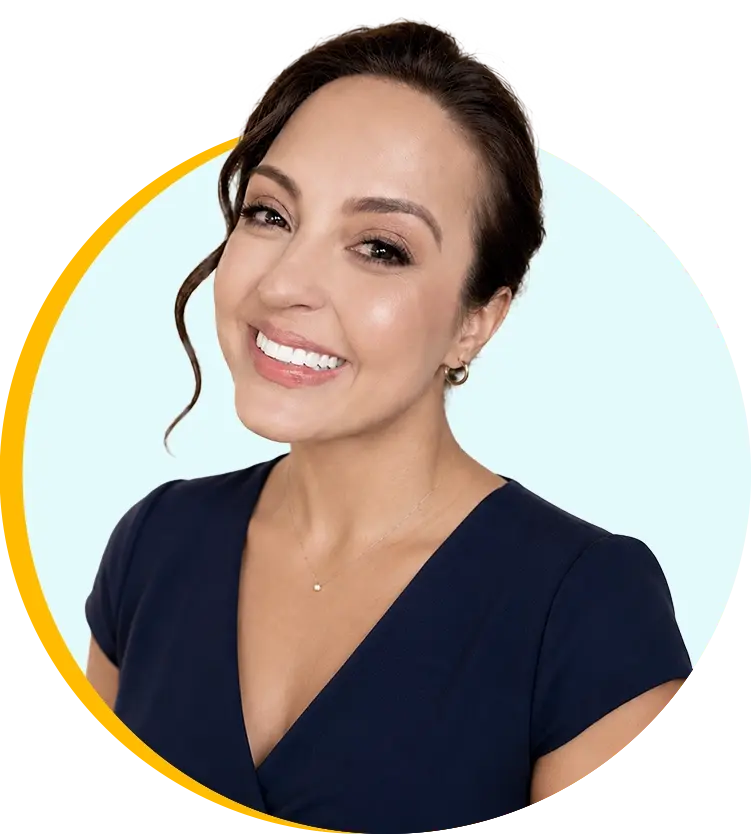
Dr. Jacqueline Pablos – Clinical Director

Vulnerability and connection are at the heart of Dr. Pablos’ therapeutic approach. As the
Clinical Director for Adolescent Wellness Academy, she aims to create a safe space for
clients to embrace their emotions and express their needs in healthier ways. Dr. Pablos
specializes in treating depression, anxiety, body image issues, bullying, eating
disorders, and self-harm behaviors using techniques like CBT, DBT, mindfulness, and
ACT.
With extensive training in hospitals and counseling centers, Dr. Pablos has a strong
background in helping teens and adults with co-occurring mental and physical health
disorders. She holds a Doctoral Degree in Clinical Psychology, with specialized training
at institutions like Florida International University, Jackson Memorial Hospital,
Clementine Monte Nido, and Nicklaus Children’s Hospital.

Kimberly

Kimberly Carlesi – Therapist (Miami)

Kimberly, a dedicated therapist with a Master’s Degree in Clinical Mental Health
Counseling from Florida International University, specializes in supporting individuals
with eating disorders, trauma, and substance abuse. She creates a safe, nurturing
environment for her clients’ healing journeys, drawing from diverse therapeutic
modalities like cognitive-behavioral therapy and dialectical behavior therapy. With a
focus on trust and collaboration, Kimberly empowers clients through personalized
interventions, fostering self-awareness and resilience.