Yes, teen therapy does work, but clinical outcomes depend heavily on the specific treatment model being utilized rather than the simple act of attending a session.
At Adolescent Wellness Academy, clinical experience shows that while standard weekly individual care often stalls for resistant teens, structured programs produce real results.
Combining professional guidance with a community their own age creates a safe environment that breaks through isolation, empowering them to develop genuine emotional resilience and lasting behavioral changes.
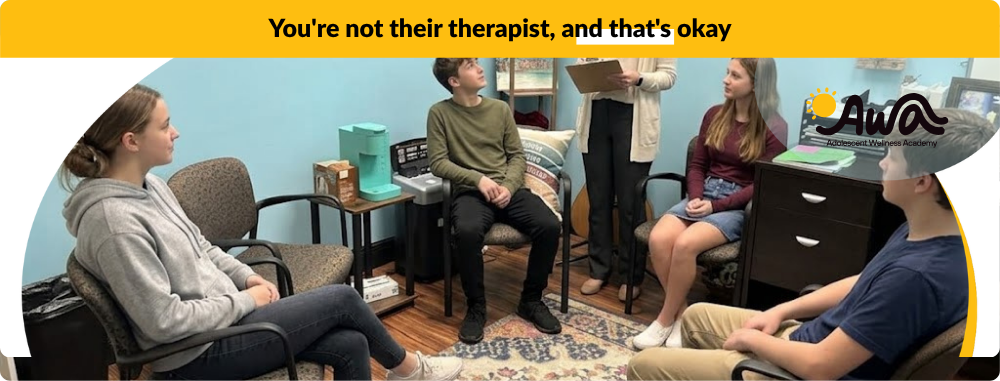
Why Traditional Individual Care Sometimes Stalls
It is deeply frustrating to invest time and hope into mental health care without seeing any changes in a child’s mood or behavior. For a teen struggling with complex challenges like trauma, substance abuse, or eating disorders, sitting face-to-face with an adult can feel intensely intimidating.
When previous attempts at counseling stall, it typically means the format did not match their specific clinical needs. Traditional individual therapy often faces several common roadblocks:
- Time Constraints: A standard 45-minute weekly session is rarely enough time to build the trust necessary to foster self-awareness.
- Power Dynamics: Teenagers often perceive private sessions as an adult talking down to them rather than a collaborative partnership.
- Delayed Application: Discussing a stressful event days after it happened makes it harder to learn and apply real-time emotional regulation.
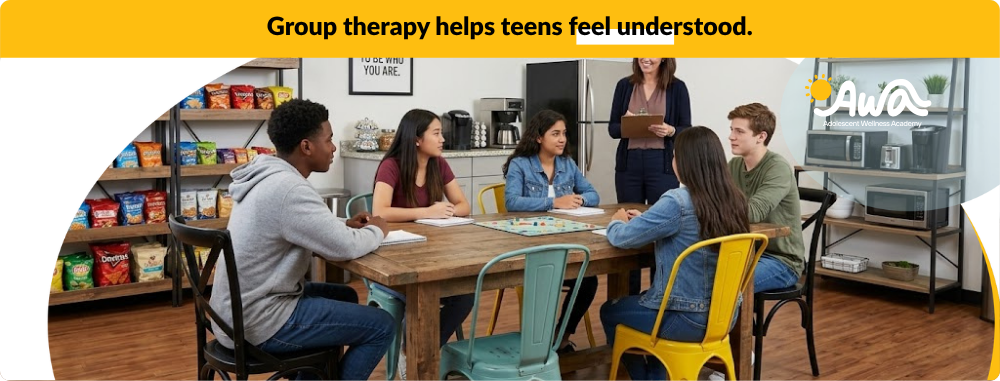
What Makes the Difference in Treatment Outcomes
Effective treatment requires matching the intervention to the individual. Evidence-based modalities such as cognitive-behavioral therapy and dialectical behavior therapy are excellent clinical tools. Research from institutions like the University of Washington shows that these therapeutic methods offer proven frameworks for emotional regulation.
The answer to whether teen therapy actually works is yes, in the right circumstances.
When evaluating whether a program will succeed for a doubtful or resistant adolescent, specific clinical differentiators matter.
The Clinical Value of Peer Community
The biggest turning point for many adolescents is realizing they are not alone in their struggles. Individual weekly sessions are valuable, but intensive, peer-supported programs yield markedly different outcomes for resistant teenagers.
Connecting with peers who are facing similar symptoms breaks down walls of isolation. Student wellness resources at the University of Michigan showed that a group setting allows individuals to learn from the experiences of others while building essential social skills in a secure environment.
When this community support is integrated with professional guidance, teens with depression become significantly more receptive to the healing journey.
Taking the Next Step With Confidence
Feeling doubtful about trying another program based on prior experience is a completely normal reaction. Skeptical parents need clear evidence that this time will be different before they commit to anything.
Ultimately, the journey to adolescent healing is rarely linear, but choosing the right environment makes all the difference. By prioritizing structured, peer-supported programs over traditional individual sessions, families can break cycles of resistance. When teens feel connected rather than judged, they gain the resilience needed for lasting, meaningful change.
Admissions teams are available to provide clear answers when families are ready to explore their options.
Frequently Asked Questions About Teen Therapy
Yes, therapy can be highly effective even if a teenager initially refuses to speak. In a structured peer model, resistant adolescents often learn by observing others in the group before feeling comfortable enough to share their own experiences. The collaborative environment reduces the pressure of one-on-one interrogation, allowing trust to build naturally over time.
The timeline for seeing results varies based on the severity of the symptoms and the level of care provided. While traditional weekly sessions might take months to build rapport, intensive outpatient programs offer daily touchpoints. Families often notice improvements in emotional regulation and communication within the first few weeks of consistent, immersive treatment.
Success rates increase significantly when receiving IOP therapy several days a week. Programs utilizing evidence-based practices like cognitive-behavioral therapy alongside peer support show strong outcomes for long-term recovery. Success is measured not just by symptom reduction, but by the teenager’s ability to utilize healthy coping mechanisms in real-world situations.
Teenagers often push back against therapy because it feels intimidating, forced, or like a punishment. Traditional individual sessions can create an uncomfortable power dynamic where the adolescent feels judged. Transitioning to a peer-supported environment shifts this dynamic, replacing the feeling of adult instruction with a sense of collaborative partnership and shared healing among equals.