Beyond Mood Swings Signs Your Teen May Be Struggling With Mental Health

When families call Adolescent Wellness Academy, they usually say something like, “I do not recognize my kid right now.” Dr. Maria Angelica Mejia, Clinical Director at AWA Davie, hears that every week. In her work with teens ages 13 to 17, she sees how quickly anxiety, depression, trauma, and behavior problems can disrupt school, friendships, and home life.

Dr. Mejia breaks down teen mental health signs parents often miss, what those changes can look like in real teen life, and how AWA supports teens and families through teen counseling, IOP, and the Therapeutic Day Program.

Why Teen Mental Health Signs Can Be Easy To Miss

Dr. Mejia puts it plainly. Many teens told their parents years ago that they needed help, only to be brushed off as typical teen behavior.

She says, “If your kid is actually asking for help, even if you don’t know a reason for their help, I would take them to see a specialist.”

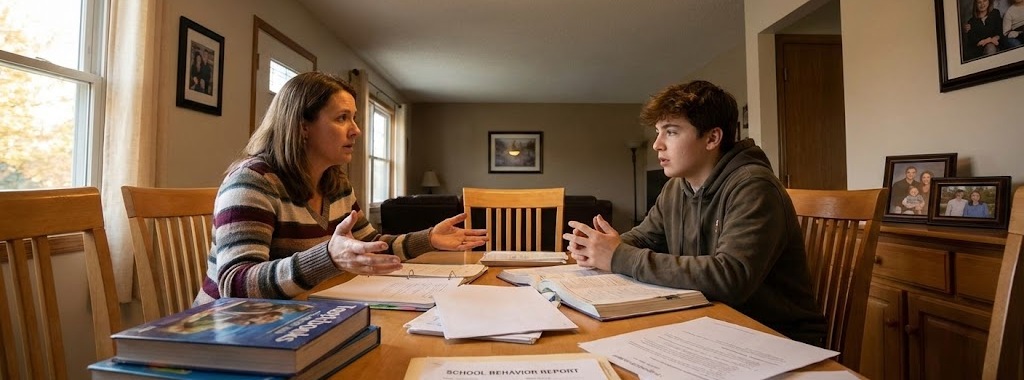
That matters because teen mental health signs often look like attitude, avoidance, or a sudden drop in motivation. Parents may see eye rolls and slammed doors, but miss the pattern underneath.

Common ways teen mental health signs show up at home:

  • A teen isolates and becomes nonverbal at home
  • Irritability increases, and conflict escalates fast
  • Sleep and appetite patterns change
  • Family routines become a daily fight
Florida teen substance use signs

What AWA Clinicians See Most Often

When Dr. Mejia describes the day-to-day clinical picture, she talks about severity and complexity. She sees “severe depression, severe anxiety,” mood concerns that have not been diagnosed accurately, and neurodivergence like ADHD that has not been managed well. She also sees “complicated grief and severe bullying,” self-harm, suicidal ideation, and teens with multiple hospitalizations before they find a level of care that fits.

She explains that many of these teens are high-risk and acute, and families often arrive after “very minimal progress” with weekly outpatient therapy.

At AWA, the goal is not to judge what happened before. The goal is to respond to what is happening now.

Related concerns that may travel together:

  • Teen anxiety and school avoidance
  • Teen depression and isolation
  • Teen substance use as a coping strategy
  • Co-occurring disorders, such as depression plus substance use

How Teen Anxiety And Teen Depression Can Look Different Than Adults

Dr. Mejia says one of the biggest differences is autonomy. Adults can often change their environment. Teens cannot. Teens still have to go to school, stay in systems that feel stressful, and live inside family dynamics even when those dynamics feel unsafe.

In school, she explains, teen anxiety and teen depression can show up as learning shutdown, low performance, and behavior changes. She says when anxiety and depression rise, “our prefrontal cortex, the part of the brain that allows us to learn, to progress, to be better, goes down.” Then even a strong student can start failing because the brain is stuck in survival.

Teen mental health signs at school:

  • Grades drop fast after a stable stretch
  • Absences increase, and mornings become battles
  • Detentions and suspensions become frequent
  • A teen reports constant stomach or GI issues tied to school stress

Teen mental health signs with friends:

  • A teen clings to friends as a lifeline
  • a teen isolates, bails on plans, and stops responding
  • Friendship ruptures lead to drama, fights, lies, and conflict

Teen mental health signs at home:

  • A teen stays in their room and avoids connection
  • Irritability and anger rise, sometimes with aggression
  • Panic or anxiety attacks happen in isolation

These are not just mood swings. These are teen mental health signs that often reflect overwhelm, fear, and a sense of being trapped.

Early Warning Signs Parents Often Brush Off

Dr. Mejia says the first warning sign is simple: your teen asks to talk to a therapist. She also flags drastic changes in behavior. “Becoming a teenager doesn’t mean you change your essence,” she says.

She also points parents toward practical, observable shifts that are easy to track without guessing what is happening inside your teen’s head.

Teen mental health red flags that deserve attention

  • A teen directly says, I feel depressed, I feel anxious, or I need help
  • Behavior changes feel sudden and out of character
  • School attendance slips, even when academics used to be stable
  • Social withdrawal increases, especially after a breakup or friendship rupture

Miami teen self-harm warning signs

Social Withdrawal And Friendship Changes Can Spiral Fast

Dr. Mejia describes a common story: a teen experiences a rupture, then decides they are not lovable, then stops trying, then loneliness turns into depression and suicidal ideation. She emphasizes that peer pain is real pain for teens. When a teen gets rejected, it can feel physically painful, not just emotionally painful.

She also explains why AWA leans on groups as a core part of treatment. Teens need a safe connection with peers to rebuild trust in relationships.

She says group therapy helps teens relearn, “I can make friends, and I’m not going to be abandoned.” For many families, that shift becomes one of the most visible signs of progress.

Teen Substance Use Often Starts As Coping

Dr. Mejia says most teens who enter care are not using substances for fun. They are used to cope. She describes the moment a teen tries a vape or weed and suddenly feels relief, and how quickly that becomes self-medication.

She also frames it in a way that reduces shame. “We don’t see them as drug addicts, we see them as kids that have been medicating because they haven’t been properly treated,” she says.

Teen substance use signs that may reflect coping:

  • Calm racing thoughts or panic
  • Numb emotional pain
  • Get through school or social pressure
  • Using more often after conflict, bullying, or grief

What Self-Harm Can Mean And What Parents Often Misunderstand

Dr. Mejia says self-harm scares parents the most, and she wants parents to know one key truth. “Self-harm is not always suicide.” She explains that non-suicidal self-injury can be a way to convert emotional pain into physical pain because emotional pain feels unmanageable.

She describes self-harm as a red flag that a teen is carrying so much distress that pain becomes a form of relief and control. She also warns that punishment and yelling can add shame on top of shame. She encourages parents to approach with curiosity, “What hurts? What happened? How can I help? Do you need a hug?”

If you are looking for teen mental health signs that require fast support, self-harm is on that list.

  • Cutting or burning
  • Starving or depriving themselves
  • Pulling away from anything that brings joy
  • Hiding injuries or avoiding short sleeves
South Florida teen anxiety signs

When It Is Time To Look Beyond Weekly Therapy

One of the clearest themes in Dr. Mejia’s interview is intensity. Weekly outpatient therapy can help, but some teens cannot engage one-to-one, and many families are trying to address serious issues “one hour out of your entire week.”

She also explains why peers matter. Teens can feel alone, weird, or abnormal in a private office. In a group with other teens, they realize the core experience is shared, intense emotions they do not know how to manage, and disconnection at school, with friends, and at home.

That is where levels of care can change the trajectory. AWA offers multiple levels of care so the plan can match the need, not the other way around.
About the Author

Clinical Director

Discover how our judgment-free, evidence-based care can support your teen mental health and your family

Request a call back and our admissions team will get in touch with you to answer all your questions.

We will support you in finding the right treatment for your teen – even if it is not ours.

We are here to help 24/7.

This field is for validation purposes and should be left unchanged.

Note we are not a crisis hotline, in case of emergency, please call 911 

Diego2

Diego Hernandez - Therapist (Davie)

Diego Hernandez is a Mental Health Counseling student completing his Master’s degree at Nova Southeastern University.

He is bilingual in English and Spanish and has extensive experience working with adolescents, families, and young adults from diverse cultural backgrounds who are navigating trauma, family conflict, depression, and anxiety.
Diego’s therapeutic approach centers on creating an empowering and supportive space where clients feel safe to fully express themselves. He integrates Acceptance and Commitment Therapy (ACT), Narrative Therapy, Cognitive Behavioral Therapy (CBT), and Dialectical Behavior Therapy (DBT) to help clients identify what truly matters to them and work toward meaningful, values-based change.

Diego also incorporates a systemic perspective, recognizing the importance of relationships and family dynamics in supporting long-term growth and emotional wellness.

Tatiana Shiber - Therapist (Davie)

Tatiana Lourenco Shiber, MS, RMHCI is a Registered Mental Health Counselor Intern with a Master’s degree in Clinical Mental Health Counseling from Nova Southeastern University. She has extensive experience working with adolescents navigating intellectual disabilities, trauma, self-harm, family conflict, depression, and anxiety. Tatiana has also worked with diverse populations providing culturally responsive and affirming care.
 
Tatiana’s therapeutic approach is strength-based and incorporates evidence-based modalities such as Cognitive Behavioral Therapy (CBT), Dialectical Behavior Therapy (DBT), Trauma-Focused CBT (TF-CBT) and Narrative therapy. Tatiana is passionate about creating a safe and supportive environment where clients feel empowered to build resilience, develop healthy coping skills, and foster meaningful change. She is dedicated to walking alongside her clients in their healing journey with compassion, authenticity, and respect.

Tiffany Rivera - Therapist (Davie)

Tiffany Rivera holds a Master’s degree in Clinical Mental Health Counseling from Walden University and a Bachelor’s degree in Psychology from Florida Atlantic University.

With a passion for empowering young people, Tiffany specializes in client-centered approaches that foster trust, growth, and resilience. She brings a strong background in mentoring youth and supporting individuals struggling with substance use, always meeting clients with empathy, patience, and genuine care.

Tiffany is known for her compassionate nature, strong communication skills, and unwavering commitment to helping adolescents navigate life’s challenges.

Ornella Barille - Therapist (Davie)

Ornella is a Registered Mental Health Counselor Intern and holds a Master’s in Clinical Mental Health Counseling from Nova Southeastern University. She is bilingual in English and Spanish and has extensive experience working with diverse populations, including children, families, and young adults. Ornella has worked in both K-12 schools and at the college level, where she has developed a strong commitment to helping adolescents thrive by supporting their personal and academic growth and empowering them to reach their full potential.

Her therapeutic approach centers on creating a safe and welcoming environment where clients can feel comfortable exploring their needs and expressing themselves authentically. Ornella utilizes a blend of mindfulness, existential therapy, and cognitive-behavioral techniques to empower clients in navigating life’s challenges.

Ornella’s compassionate approach fosters self-awareness and encourages clients to build effective coping strategies to achieve their therapeutic goals.

Jamie Namer - Therapist (Davie)

Jamie specializes in Marriage and Family Therapy (MFT) guiding individuals and families toward healthier, more fulfilling lives. With a focus on positivity, self-growth, and holistic healing, Jamie integrates spiritual perspectives and deep empathy into the therapeutic process. Using solution-based methods and emotionally focused therapy, Jamie helps clients navigate past trauma, enhance self-discovery, and strengthen relationships.

Jamie’s approach combines therapeutic techniques with mind-body healing practices such as meditation, mindfulness, and visualization. Experienced in working with children, adolescents, adults, families, and groups, Jamie specializes in addressing issues like anxiety, grief, self-confidence, burnout, family dynamics, depression, PTSD, and life transitions. The goal is to promote overall well-being and support clients in living a balanced, healthy lifestyle.

Dr. Maria Angelica Mejia – Clinical Director (Davie)

Dr. Maria Angelica Mejia’s therapeutic approach is rooted in empathy, resilience-building, and collaboration. As the Clinical Director for Adolescent Wellness Academy, she is dedicated to supporting high-risk teens in navigating trauma, emotional distress, and life’s challenges with a holistic and trauma-informed lens. Dr. Mejia specializes in working with adolescents facing issues such as suicide risk, self-harm, anxiety, depression, and family conflict, utilizing techniques like CBT, DBT, mindfulness, and strength-based therapy. With extensive experience in community mental health, private practice, and clinical supervision, Dr. Mejia has a proven track record of empowering teens to overcome obstacles and thrive. She holds a PhD in Marriage and Family Therapy bringing a depth of knowledge and compassion to her leadership role.

Kimberly Geller

Kimberly Geller - Primary Therapist (Davie)

Kimberly is a compassionate and dedicated therapist with a Master’s degree in Social Work from Florida International University. Kimberly creates a nurturing and secure environment where clients can freely explore their emotions and embark on their journey toward healing and growth. Kimberly specializes in client-centered approaches that helps tailor her therapeutic methods to meet unique needs and goals. By fostering a collaborative therapeutic relationship, she empowers clients to develop effective coping skills and achieve meaningful progress in their mental health journey. Kimberly ensures that each person she works with feels understood and valued throughout their therapeutic process.

Zainub Fatta - Therapist (Davie)

Zainub holds a Master’s degree in Marriage and Family Therapy from Nova Southeastern University and has extensive experience treating a wide range of mental health issues in adults, teens, and children. She specializes in treating diverse mental health struggles such as anxiety, depression, trauma, bipolar disorder, social anxiety, anger management, etc. She also has a lot of experience treating addiction and substance abuse problems within various treatment centers. Zainub views mental health from a systemic perspective, emphasizing the significance of how one’s environment and childhood impacts them, which is why she also specializes in family therapy and couples therapy, when it comes to achieving holistic well-being. Passionate about empowering individuals to find their voice, she considers it a privilege to listen to their vulnerable stories and provide the support they need. Her therapeutic approach focuses on uplifting clients by building their confidence and challenging them to break old, negative patterns of thinking and behavior.

Krystine Garay

Krystine Garay – Licensed Mental Health Counselor

Krystine Garay is a licensed mental health counselor, marriage family therapist, and certified telehealth practitioner. Raised in Miami, Florida, and a member of the Hispanic community, she provides services in both English and Spanish. With five years of experience, she has worked with children, adolescents, and adults, focusing on domestic violence, substance abuse, family conflicts, co-occurring disorders, and mental health issues.
Krystine holds a bachelor’s degree in Psychology from Florida International University and a master’s degree with dual specializations in mental health and marriage and family counseling from Barry University. She is pursuing a doctorate in clinical psychology with a concentration in health psychology from Carlos Albizu University.
Her clinical experience includes rotations at Nicklaus Children’s Hospital, where she assisted children with co-occurring disorders using mindfulness exercises, cognitive-behavioral strategies, and dialectical-behavioral techniques.
Krystine believes in the power of personal growth and progress, and she is dedicated to fostering positive change in her clients’ lives.

Alyssa Mencucci – Therapist (Miami)

Alyssa is a dedicated master’s level clinician specializing in providing compassionate
therapy for adolescents and children facing severe mental health challenges. With a
deep understanding of the developmental stages and psychological needs of
adolescents and children, Alyssa offers expertise in addressing trauma-related issues,
guiding individuals through the complexities of grief, managing anxiety and depression,
navigating personality disorders, and supporting those dealing with PTSD. Alyssa uses
evidence-based techniques such as cognitive-behavioral therapy, DBT, play therapy,
and trauma-focused interventions to create a safe and nurturing environment for
healing. Alyssa believes in a client-centered approach, tailoring therapy to meet the
unique needs and circumstances of each individual. She creates a safe and nurturing
environment where adolescents and children can explore their emotions, develop
coping skills, and embark on a journey of healing and growth.

Dr. Jacqueline Pablos – Clinical Director

Vulnerability and connection are at the heart of Dr. Pablos’ therapeutic approach. As the
Clinical Director for Adolescent Wellness Academy, she aims to create a safe space for
clients to embrace their emotions and express their needs in healthier ways. Dr. Pablos
specializes in treating depression, anxiety, body image issues, bullying, eating
disorders, and self-harm behaviors using techniques like CBT, DBT, mindfulness, and
ACT.
With extensive training in hospitals and counseling centers, Dr. Pablos has a strong
background in helping teens and adults with co-occurring mental and physical health
disorders. She holds a Doctoral Degree in Clinical Psychology, with specialized training
at institutions like Florida International University, Jackson Memorial Hospital,
Clementine Monte Nido, and Nicklaus Children’s Hospital.

Kimberly

Kimberly Carlesi – Therapist (Miami)

Kimberly, a dedicated therapist with a Master’s Degree in Clinical Mental Health
Counseling from Florida International University, specializes in supporting individuals
with eating disorders, trauma, and substance abuse. She creates a safe, nurturing
environment for her clients’ healing journeys, drawing from diverse therapeutic
modalities like cognitive-behavioral therapy and dialectical behavior therapy. With a
focus on trust and collaboration, Kimberly empowers clients through personalized
interventions, fostering self-awareness and resilience.