The holiday season is often portrayed as a time of happiness, family gatherings, celebrations, and cherished traditions. But for many teenagers, this time of year can also cause unexpected stress, emotional overwhelm, and anxiety. While adults may look forward to the holidays as an opportunity to reconnect and make memories, teens might experience an entirely different set of emotions.
Understanding why your teenager might feel anxious during the holidays is an important first step toward helping them manage the season in healthy ways. Rather than assuming they’re being difficult, withdrawn, or unappreciative, let’s outline some different signs of anxiety to recognize and how you can offer additional understanding and support.
At Adolescent Wellness Academy, we provide comprehensive care for teens ages 13-17 experiencing anxiety disorders and for their families.
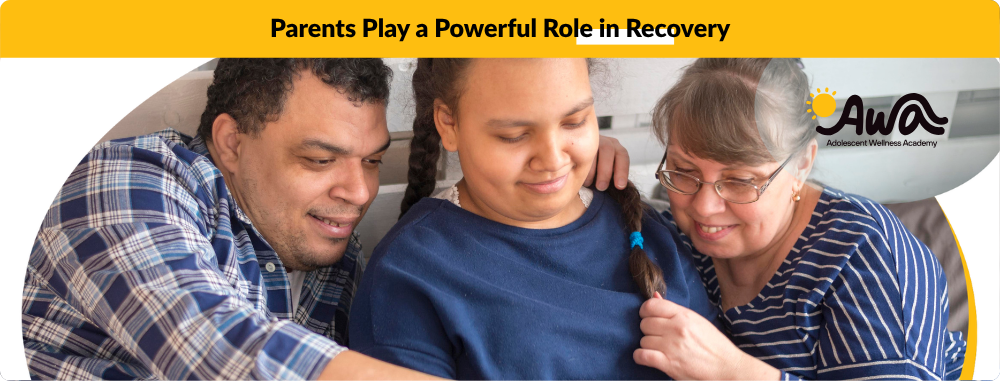
Why Are the Holidays Sometimes Difficult for Teens?
There isn’t one single reason. Often, several emotional, social, and environmental factors come together.
Disrupted Routines and Increased Expectations
Teenagers depend on familiar patterns more than parents may realize. Between school, extracurricular activities, homework, and friendships, their schedules are already demanding. Then, according to St. Louis Children’s Hospital, travel, late nights, family obligations, and other holiday-related changes disrupt these essential daily routines. End-of-semester exams and academic responsibilities might add another layer of stress.
Family Dynamics and Relationship Pressures
As much as we don’t care to admit it, holiday gatherings can be emotionally complicated. For teens experiencing grief, family changes, or strained relationships, the expectation to appear happy during celebrations makes things even harder. Spending time with relatives, shifting between divorced or separated parents, dealing with family conflict, or missing a loved one triggers uncomfortable feelings.
Social Anxiety and Uncomfortable Interactions
If your teen has social anxiety disorder, parties, family gatherings, crowded environments, and conversations with unfamiliar relatives can be smothering. They may worry about being judged, answering personal questions, discussing school performance, or comparing themselves to other family members. Social media intensifies these feelings by creating unrealistic expectations about what a perfect holiday should look like.
Financial Concerns and Pressure To Fit In
Teens are increasingly aware of financial differences between families. They may feel embarrassed about gifts, clothing, vacations, or activities they can’t afford. They may also worry about disappointing parents or friends when they’re not able to participate in certain celebrations.
Loneliness, Grief, and Emotional Changes
Not every teenager associates the holidays with happiness. Some may be grieving a loss, struggling with friendships, experiencing bullying, or feeling disconnected from their peers. According to Mental Health America, the holidays can intensify these feelings, particularly when they see others enjoying celebrations and social activities.
Grief often becomes more noticeable during the holidays as family traditions and special occasions bring back memories of someone who’s no longer present. The Child Mind Institute explains that holidays following a loss can trigger renewed sadness, even when other moments are enjoyable. And for teens already experiencing anxiety or depression, all these emotional challenges compound other symptoms.
What Anxiety Symptoms Should Parents Watch For?
Occasional stress is normal. However, when symptoms become persistent, intensify, or interfere with everyday life, additional support may be necessary. Teenagers don’t always communicate anxiety by saying they feel worried. The Substance Abuse and Mental Health Services Administration indicates that sometimes, their emotional distress appears through changes in behavior, physical complaints, or withdrawal. Pay attention to changes such as:
- Increased irritability or mood swings. Your teen may become unusually frustrated, angry, tearful, or emotionally sensitive.
- Social withdrawal. They may avoid family gatherings, spend more time alone, or stop participating in activities they previously enjoyed.
- Sleep disturbances. Difficulty falling asleep, sleeping excessively, or appearing constantly exhausted can indicate emotional stress.
- Changes in eating habits. Eating significantly more or less than usual may be a warning sign.
- Physical complaints. Frequent headaches, stomachaches, nausea, muscle tension, or a racing heartbeat can accompany anxiety.
- Difficulty concentrating. Anxiety can make it harder to complete schoolwork, stay organized, or focus on everyday responsibilities.
- Avoidance and excessive worrying. Your teen may repeatedly express concerns, seek reassurance, or avoid situations that previously felt manageable.
The American Academy of Pediatrics emphasizes that persistent changes in behavior, sleep, eating habits, and social engagement deserve attention.
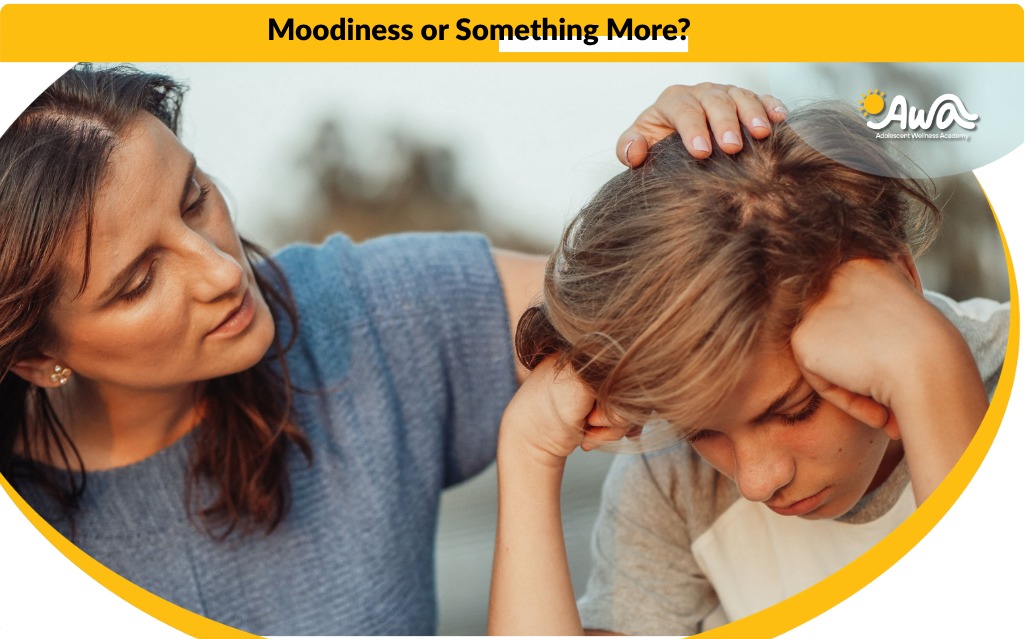
How Can You Help Your Teen Manage Holiday Anxiety? Our 5 Tips
The goal isn’t to eliminate every stressful situation. Instead, you can help your young person understand their emotions, identify triggers, and develop healthy coping strategies to support their mental health.
- Start with an open conversation. Ask what feels overwhelming about the holidays. Listen without judgment, minimizing their feelings, or immediately offering solutions.
- Identify anxiety triggers. Help your teen recognize stressful situations, such as family gatherings, social pressures, academic demands, or disrupted routines. Journaling or drawing helps connect emotional patterns.
- Establish healthy boundaries. Involve your teen in holiday planning. Allow shorter visits, breaks, fewer commitments, and time to recharge.
- Encourage healthy coping skills. Practice self-care methods such as deep breathing, physical activity, journaling, positive self-talk, and relaxation techniques. Prioritize consistent sleep, balanced meals, and supportive friendships.
- Make time for connection. Enjoy simple activities together, such as cooking, walking, or watching a movie. Remind your teen they don’t have to pretend to be happy or participate in every tradition to feel loved and supported.
Helping Your Teen Enjoy the Holidays in Their Own Way
This time of year doesn’t have to be perfect to be meaningful. For teenagers experiencing anxiety, a little flexibility, understanding, and emotional support make an enormous difference. Remember: they’re not necessarily rejecting family, traditions, or celebrations. They may simply be struggling to manage feelings they don’t yet know how to explain.
Sometimes, the greatest holiday gift parents can give their teens is the reassurance that they are understood, supported, and loved exactly as they are. We can help. Adolescent Wellness Academy provides specialized teen therapy in Florida, offering evidence-based methods for your child to manage their anxiety and feel better.