Successfully addressing how to motivate a teenager with depression requires shifting from a mindset of “discipline” to one of “clinical support.”
Depression is a neurological condition that physically impairs the brain’s reward system, making simple tasks like homework or social interaction feel insurmountable.
By understanding that lack of motivation is a biological symptom rather than a choice, parents can implement low-pressure strategies and professional interventions that foster genuine progress.
At Adolescent Wellness Academy, we help families move away from power struggles and toward evidence-based strategies that respect the teen’s current neurological capacity.
Clinical Strategies for Motivating a Depressed Teenager
When a teenager stops doing homework, seeing friends, or even getting out of bed, it is common for parents to feel a mix of helplessness and frustration.
- Recognize that “shutting down” is a clinical symptom of depression, not a choice.
- Understand that biological changes in the brain make “trying harder” counterproductive.
- Focus on “micro-wins” to slowly rebuild the brain’s reward system.
- Prioritize validation and active listening over lectures or removing privileges.
These clinical strategies respect the teen’s current neurological capacity, focusing on gentle progress and rebuilding the brain’s reward system without the pressure of traditional discipline.
What Works vs. What Backfires
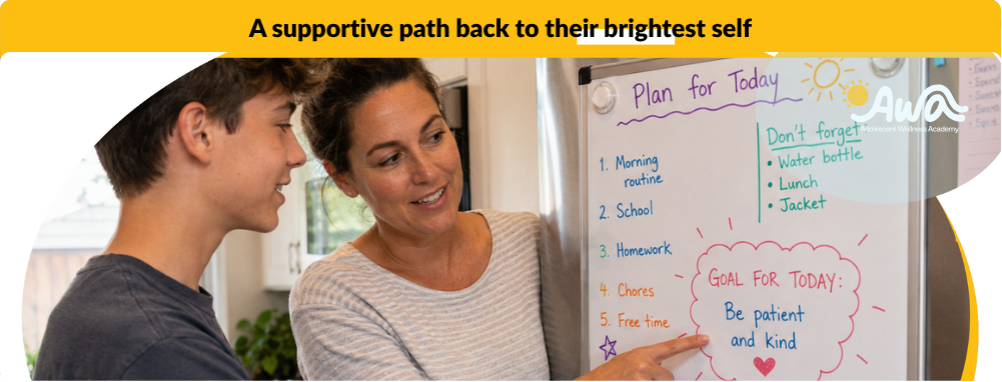
When learning how to motivate a teenager with depression, traditional parenting techniques often fail when applied to teen depression in Florida because the teen is not acting out of defiance, but out of a lack of emotional energy.
Understanding the difference between these two dynamics is essential for maintaining the parent-child bond.
What Backfires:
- Using shame or guilt to encourage better grades or social activity.
- Threatening to take away devices or hobbies as a “consequence” for depressive symptoms.
- Comparing their current struggle to their past achievements or to siblings.
What Actually Works
Professional Intervention: Recognizing when a teen needs an Intensive Outpatient Program to break the cycle of stagnation.
- Validation First: Acknowledge how heavy their world feels before suggesting an action.
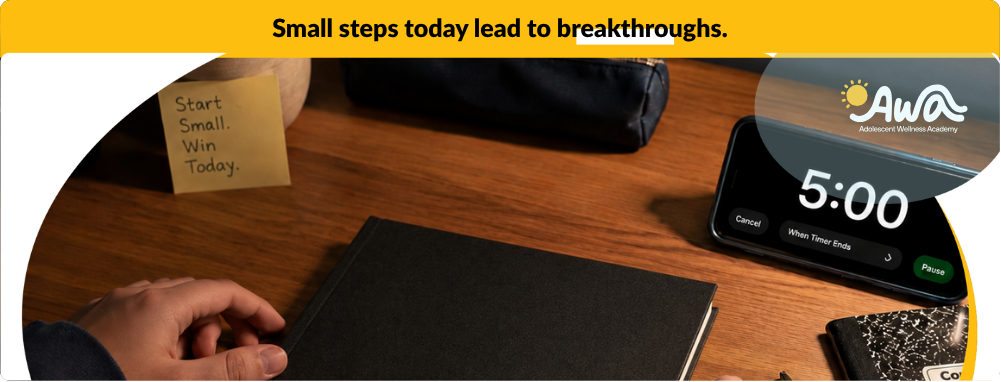
- The 5-Minute Rule: Ask for just five minutes of an activity (like a walk or homework) to lower the barrier to entry.
- Collaborative Goal Setting: Involve the teen in choosing one small task for the day, giving them a sense of agency.
Choosing the Right Level of Support
Motivation issues are often the primary reason parents seek help after a diagnosis has already been identified. When daily management becomes a constant battle, a more structured environment may be necessary.
At Adolescent Wellness Academy, we offer both in-person and digital formats to meet your family’s needs.
| Support Feature | Standard Outpatient Therapy | AWA Intensive Outpatient Program | Virtual IOP |
| Frequency | 1 hour per week | Multiple hours, 3–5 days per week | Multiple hours via secure video platform |
| Focus | General talk therapy | Intensive skill-building & peer support | High-rigor care from the comfort of home |
| Family Role | Minimal involvement | Weekly dedicated family therapy sessions | Remote family support and education |
| Environment | Clinical office | Structured “safe space” with peers | Integrated into the home environment |
Moving Toward Professional Support
If you have tried adjusting your approach at home and your teen remains “stuck,” it may be time to seek professional intervention. According to the NIMH, chronic lack of motivation in adolescents is a significant indicator that their current level of care needs to be increased.
A professional program changes the dynamic by removing the parent from the role of “enforcer” and placing the teen in a community of peers who are facing similar hurdles.
This social connection often acts as a more powerful motivator for teen depression in Florida than any parental lecture. We can offer an example on how to help a teenager with depression, with further insights into the first steps of this journey.

The Shift to Evidence-Based Support
Motivating a depressed teenager requires moving beyond traditional discipline toward clinical, evidence-based support. Our approach equips teens with the tools for lasting stability and helps families restore connection and hope.
If your family is struggling with daily management, you are not alone. Adolescent Wellness Academy can help start the conversation that helps your teen find their way back to themselves.
Common Questions About Depressed Teens and Motivation
Depression is a physical condition that affects brain chemistry. It is not a matter of willpower; their brain is currently struggling to produce the neurochemicals required to initiate action.
Occasional “mental health days” can be helpful, but prolonged avoidance of school can worsen depression by increasing isolation. An IOP can provide the structure needed to keep them engaged in their education while they receive treatment.
Laziness is a choice to avoid work in favor of something more enjoyable. Depression is an inability to find joy or energy in anything, including things the teen used to love.
Yes. With the right combination of clinical support, family validation, and time, the brain can “re-learn” motivation. Many teens in our program find that once their depression is stabilized, their natural drive returns.